26 Jul 2026
Data Patterns in Player Retention for Arcade Style Multiplayer Titles Accessed via Mobile Browsers in Emerging Markets
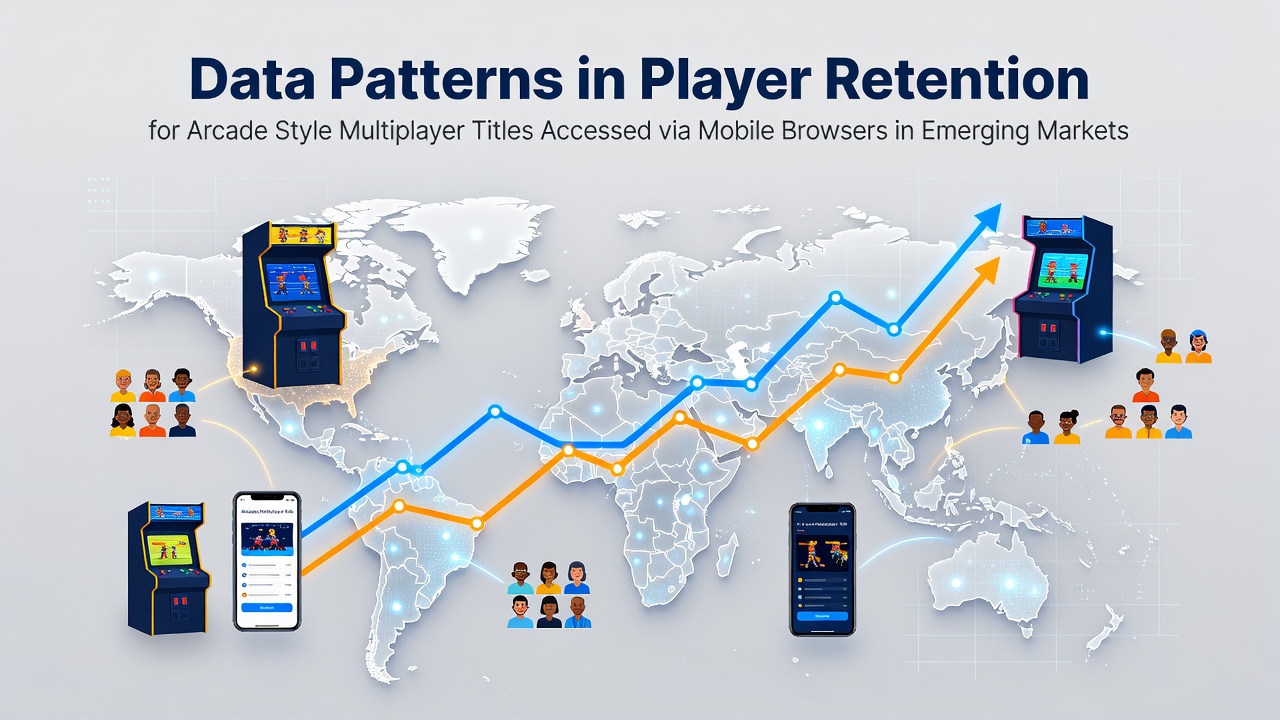
Analysts have compiled extensive datasets on player retention for arcade style multiplayer titles delivered through mobile browsers, with particular attention to emerging markets across Asia, Africa, and Latin America where such access points dominate due to device constraints and network conditions. These patterns reveal consistent trends in session frequency, return rates after initial play, and long term engagement curves that differ from patterns observed in high income regions. Data compiled through 2025 and into mid 2026 shows how browser based formats leverage low friction entry points to sustain participation even when data costs remain elevated.
Core Retention Metrics in Browser Accessed Arcade Titles
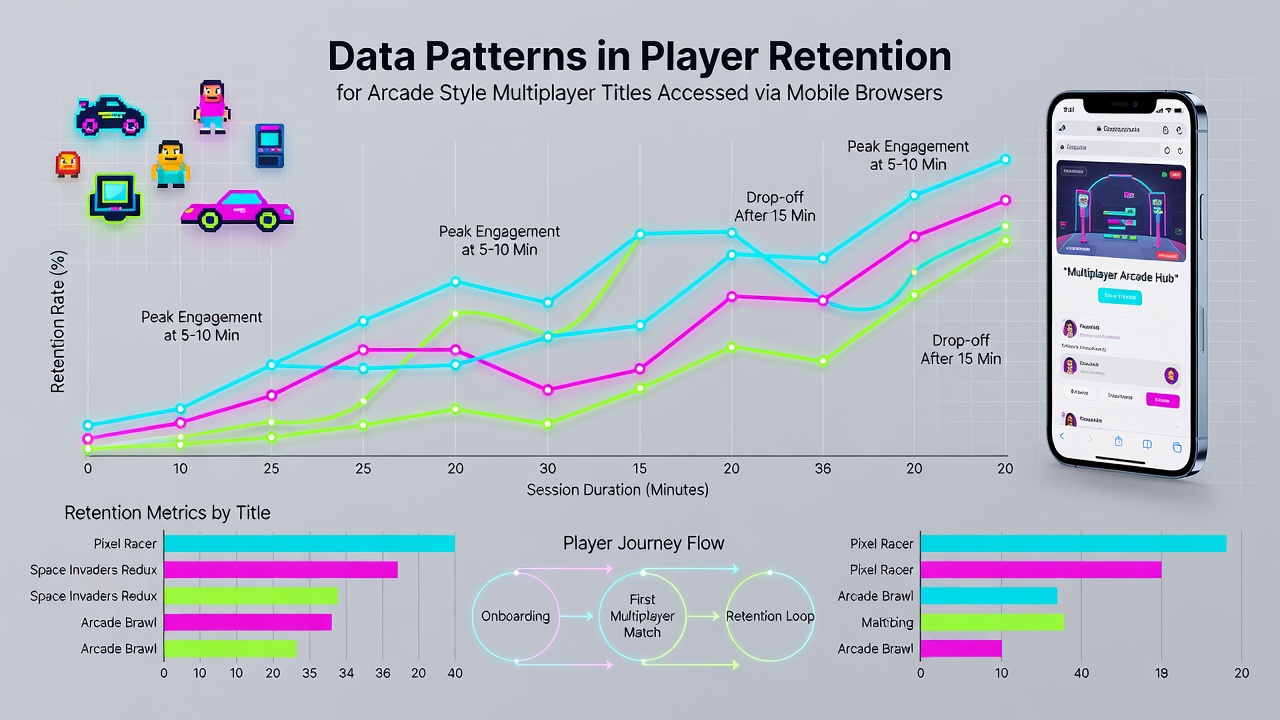
Retention curves for these games typically display sharp initial drop offs followed by stabilization among core groups, according to aggregated platform telemetry from multiple operators. Day one retention often hovers between 35 and 45 percent while day seven figures settle around 15 to 22 percent, with day thirty retention maintaining between 5 and 10 percent in markets such as India, Nigeria, and Brazil. Session lengths average 8 to 14 minutes per visit, yet repeat visits cluster during evening hours when mobile data plans reset or become more affordable. Multiplayer elements contribute to these figures because real time lobby matching encourages players to return at predictable intervals to reconnect with established groups.
Regional Variations Across Emerging Markets
Observers note distinct differences when comparing Southeast Asian markets to sub Saharan African ones, where network latency and device fragmentation shape how long users persist with arcade formats. In Indonesia and Vietnam, retention benefits from widespread 4G availability and social sharing features that integrate with local messaging apps, leading to higher day seven return rates. By contrast, studies in Kenya and Ghana indicate that shorter burst sessions predominate because of intermittent connectivity, although players compensate through higher frequency logins when networks stabilize. Latin American data from Mexico and Colombia reveals elevated weekend retention spikes tied to tournament style events hosted within browser sessions.
Factors Driving Sustained Engagement
Progression systems that reward incremental achievements without requiring large downloads help maintain interest, while social leaderboards create external accountability that pulls users back daily. Research indicates that titles incorporating local language support and culturally familiar visual themes experience slower churn, particularly when updates align with regional events. As of July 2026, several operators reported measurable lifts in 30 day retention after introducing offline practice modes that sync progress once connectivity resumes. These adaptations address common barriers in markets where prepaid data remains the norm and users ration usage carefully.
Analytical Techniques Applied to Retention Data
Researchers apply cohort analysis and survival modeling to isolate which variables most strongly predict continued play, examining variables such as first session duration, number of multiplayer matches completed, and device type. Machine learning approaches segment users into high, medium, and low retention groups based on early behavioral signals, allowing developers to test targeted notifications that encourage return visits. Figures from industry reports reveal that personalized push prompts timed to evening hours improve day seven retention by 8 to 12 percentage points in tested cohorts across Southeast Asia and East Africa.
Network and Device Influences on Long Term Play
Connectivity quality directly correlates with retention longevity because dropped matches frustrate users and accelerate churn. Data collected by the International Telecommunication Union highlights ongoing improvements in mobile broadband coverage across emerging regions, yet gaps persist in rural zones where browser based titles still outperform native apps due to smaller file sizes. Device storage limitations further favor lightweight browser experiences, and patterns show that players on entry level Android handsets demonstrate steadier weekly engagement when games avoid background data usage.
Conclusion
Comprehensive tracking of retention data continues to inform how arcade style multiplayer experiences evolve within mobile browser ecosystems in emerging markets. Patterns documented through 2026 underscore the interplay between technical constraints, social features, and localized design choices in shaping sustained participation. Ongoing analysis from sources such as GSMA Mobile Economy reports and academic studies hosted by institutions including the International Training Centre of the ILO provides updated benchmarks that operators use to refine engagement strategies. These insights support continued refinement of browser accessible formats that meet the practical realities of diverse player bases.