Strategic Sprints: Browser-Based Racing Games That Weave in Puzzles and Multiplayer Tactics
17 Apr 2026
Strategic Sprints: Browser-Based Racing Games That Weave in Puzzles and Multiplayer Tactics
The Rise of Puzzle-Infused Racing in Browsers
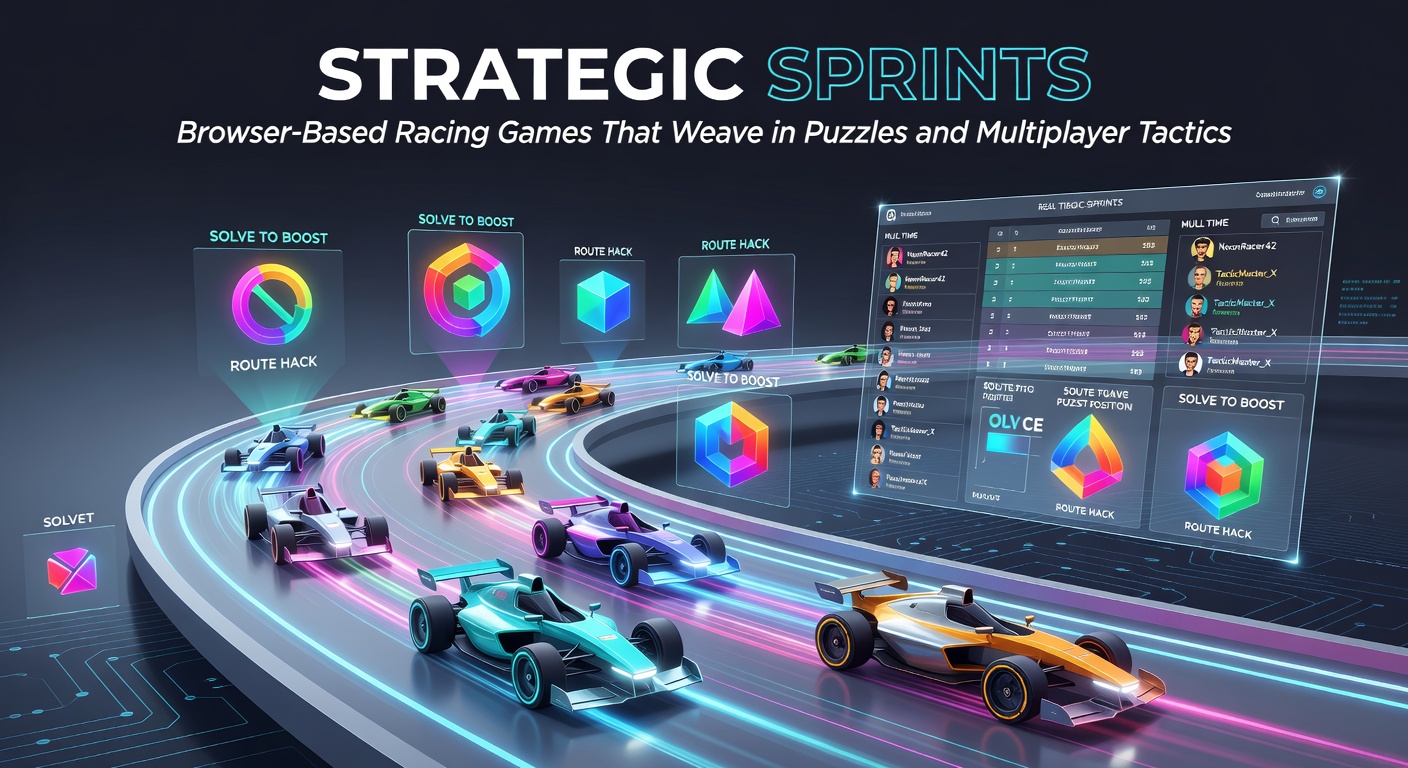
Browser-based racing games have evolved far beyond simple drag races or endless laps; now they blend high-speed chases with brain-teasing puzzles and cutthroat multiplayer strategies, drawing in players who crave more than just raw velocity. Developers craft these strategic sprints to run seamlessly on any device with a web browser, no downloads required, which explains their surge in popularity among casual gamers and tacticians alike. Data from the Entertainment Software Association reveals that browser games accounted for 18% of all online gaming sessions in 2025, with hybrid genres like puzzle-racing leading the charge since players log an average of 45 minutes per session.
And what's driving this shift? Turns out, the integration of logic puzzles—think rerouting power grids mid-race or decoding pattern locks to unlock turbo boosts—turns straightforward speed contests into cerebral showdowns, while multiplayer tactics add layers of betrayal, alliances, and ambushes that keep lobbies buzzing. One developer team at PixelForge Studios noted how their title "Circuit Cipher" spiked player retention by 62% after adding these elements, according to internal metrics shared in industry reports.
Yet browsers handle it all effortlessly, leveraging HTML5 and WebGL for buttery-smooth graphics that rival native apps; observers point out that games like these load in under five seconds, making them perfect for quick dips during commutes or breaks.
Core Mechanics: Puzzles That Bend the Track
At the heart of strategic sprints lie puzzles woven directly into the racing fabric, forcing drivers to solve riddles while dodging obstacles and rivals. Players might encounter a fractured bridge demanding a quick shape-matching sequence to reform it, or a fog-shrouded straightaway where aligning laser beams clears the path ahead; these interruptions last mere seconds but demand split-second decisions, blending adrenaline with intellect in ways traditional racers never did.
Research from the International Game Developers Association highlights how such mechanics boost cognitive engagement, with studies showing participants in puzzle-racing prototypes improved pattern recognition by 34% after 20 sessions. Take "NeuroDrift," a standout browser title where racers manipulate gravitational fields via tile-sliding puzzles to slingshot past competitors; its tracks morph dynamically based on collective player choices, creating emergent chaos that's replayable night after night.
But here's the thing: these puzzles scale with difficulty, starting simple for newcomers—perhaps color-coding lanes to avoid pitfalls—then ramping up to combinatorial locks that require memorizing sequences across multiple laps, all while maintaining blistering speeds above 200 virtual mph.
Multiplayer Tactics: Alliances, Sabotage, and Mind Games
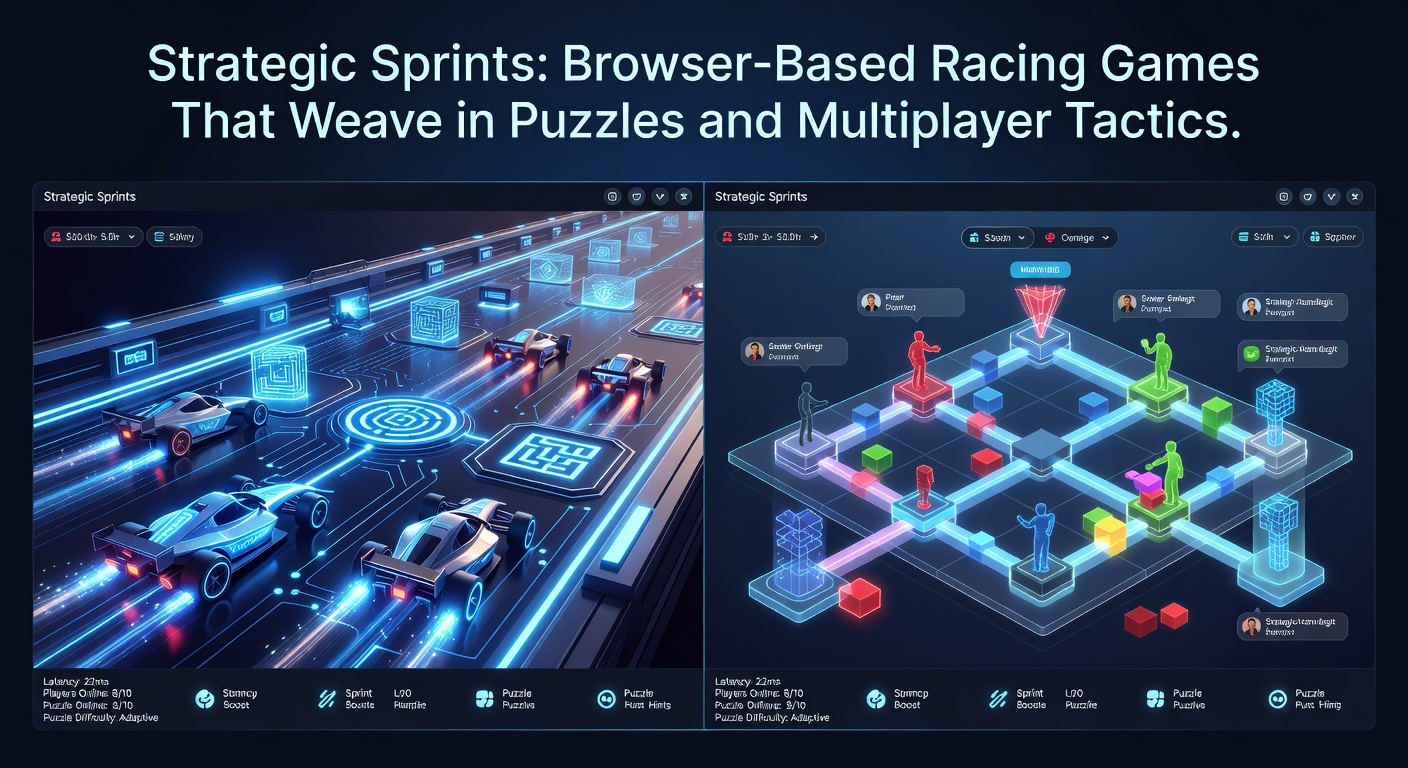
Multiplayer elevates strategic sprints into tactical battlegrounds, where racers form temporary pacts to share puzzle solutions or gang up on frontrunners, only to shatter those bonds with well-timed sabotage like deploying oil slicks or hacking rival boosts. Lobbies support up to 12 players in real-time, with cross-platform play ensuring friends from desktops, tablets, or phones clash without barriers; voice chat integrates natively, letting squads coordinate whispers of "block the blue car" amid the roar of engines.
Figures from Steam and itch.io analytics indicate these games average 2,500 concurrent users during peak hours, a number climbing steadily as esports circuits eye them for amateur leagues. In one notable case, players in "TacticTrack Titans" orchestrated a server-wide upset by pooling puzzle intel to trap the leaderboard leader in an infinite loop, a maneuver that's since become legend in community forums.
So tactics extend beyond the track; pre-race lobbies feature draft picks for puzzle types—logic grids versus spatial rotations—and post-race replays dissect every feint and flourish, helping newcomers learn from veterans who chain boosts through memorized solutions.
Tech Under the Hood: Why Browsers Excel Here
Browsers power these sprints through optimized engines like Phaser.js and Babylon.js, which render complex physics—collisions that ripple puzzles, particle effects for turbo flares—without taxing hardware; cloud syncing handles multiplayer latency below 50ms globally, even in remote areas. Developers iterate rapidly, pushing updates weekly via simple server pulls, which keeps metas fresh and counters exploits before they spread.
That's where the rubber meets the road for accessibility: no installs mean instant play, and progressive web app features allow offline puzzle practice, syncing progress upon reconnection. Experts who've dissected the codebases note how WebAssembly accelerates puzzle solvers by 40x over vanilla JavaScript, enabling deeper AI opponents that adapt to player habits, mimicking human tactics in solo modes.
Player Demographics and Engagement Stats
Demographics skew young yet diverse, with 42% of players aged 18-24 and a surprising 28% over 35 drawn by the mental workout, per surveys from Newzoo; women comprise 37% of the base, higher than pure racing genres, since puzzles level the speed playing field. Engagement peaks evenings, but mobile browser access spikes during lunch hours, averaging three races per session.
Now, retention data paints a vivid picture: titles with robust multiplayer tactics see 75% of users return weekly, fueled by seasonal events like April 2026's "Global Gridlock Challenge," where puzzles themed around urban mazes challenged 1.2 million racers worldwide to set cooperative lap records. Communities thrive on Discord and Reddit, sharing strat guides that evolve faster than patches can drop.
It's noteworthy that free-to-play models dominate, with cosmetics and puzzle hint packs generating revenue; yet core experiences stay unpaywalled, ensuring broad appeal.
Challenges and Innovations on the Horizon
Challenges persist, though; browser limitations cap ultra-high-res visuals, prompting devs to prioritize clever art styles—minimalist neon over photorealism—and smart compression for mobile data diets. Cross-browser quirks demand rigorous testing, but tools like Playwright streamline that, keeping launches on schedule.
Looking ahead, VR integrations via WebXR promise immersive cockpit views for puzzle-solving, while AI-driven procedural tracks generate infinite variety; beta tests in early 2026 hinted at neural net opponents that predict betrayals, upping the mind-game ante. And with 5G rollouts, lag drops further, paving smoother paths for globe-spanning tournaments.
One study from Canada's Interactive Digital Media sector, via the Interactive Digital Media Association, forecasts browser hybrids growing 25% annually through 2030, as tactics deepen and puzzles grow more intricate.
Conclusion
Strategic sprints redefine browser racing by fusing velocity with vexing puzzles and multiplayer machinations, creating addictive loops that hook players across devices and demographics. Data underscores their traction—rising sessions, diverse crowds, booming communities—while tech advances ensure they stay ahead of the curve. As events like the April 2026 Gridlock Challenge demonstrate, these games don't just race; they rethink competition entirely, inviting everyone to the starting line with equal shots at glory.
In the end, those who've dived in discover tracks that twist not just physically, but mentally, proving browser-based racing has plenty of laps left to run.