29 May 2026
Tactical Teamwork Trends in Multiplayer Web-Based Adventure Formats
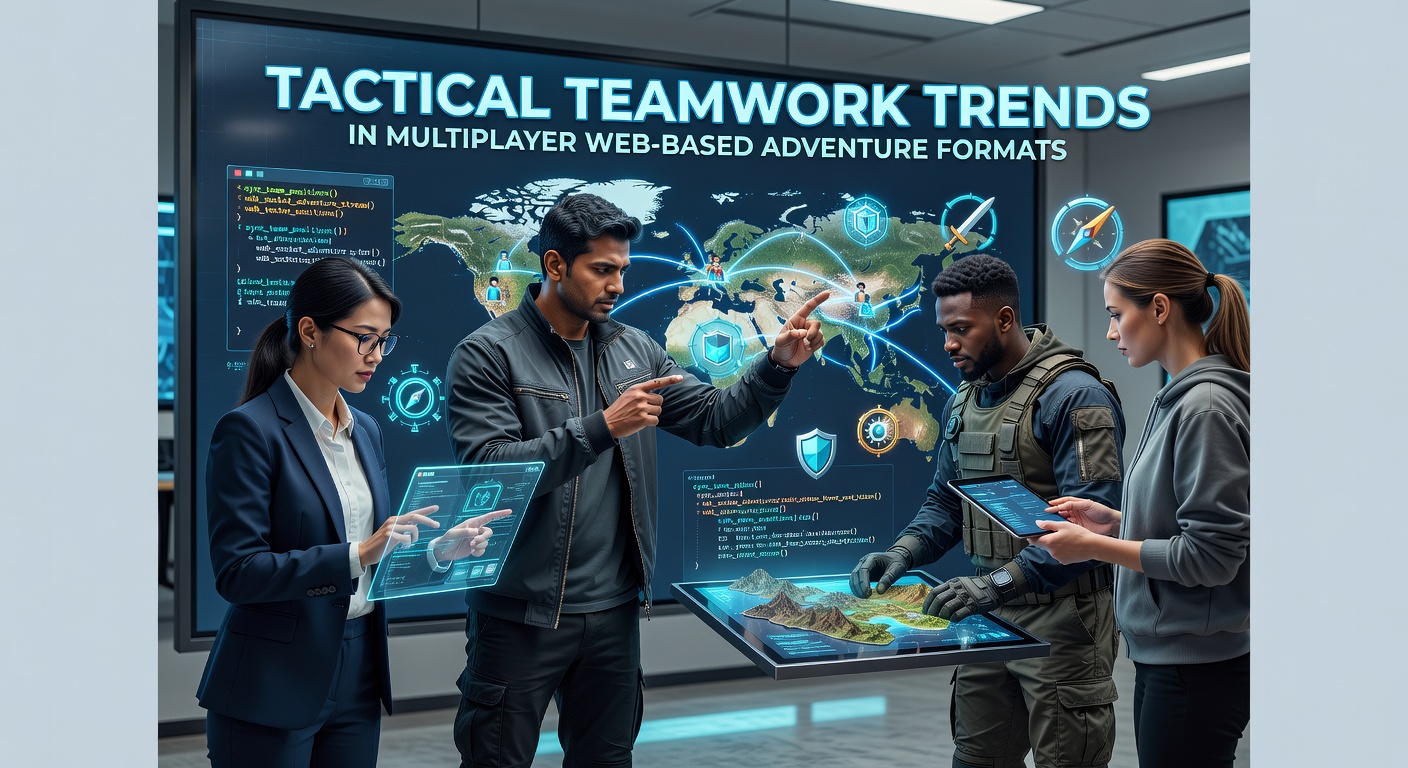
Multiplayer web-based adventure formats continue to integrate tactical teamwork as a core mechanic that shapes how participants approach shared objectives and dynamic environments. These platforms rely on browser technology to deliver instant access without downloads, allowing groups to form and disband quickly while executing coordinated strategies across exploration, puzzle resolution, and resource management sequences.
Coordination Mechanisms in Real-Time Browser Sessions
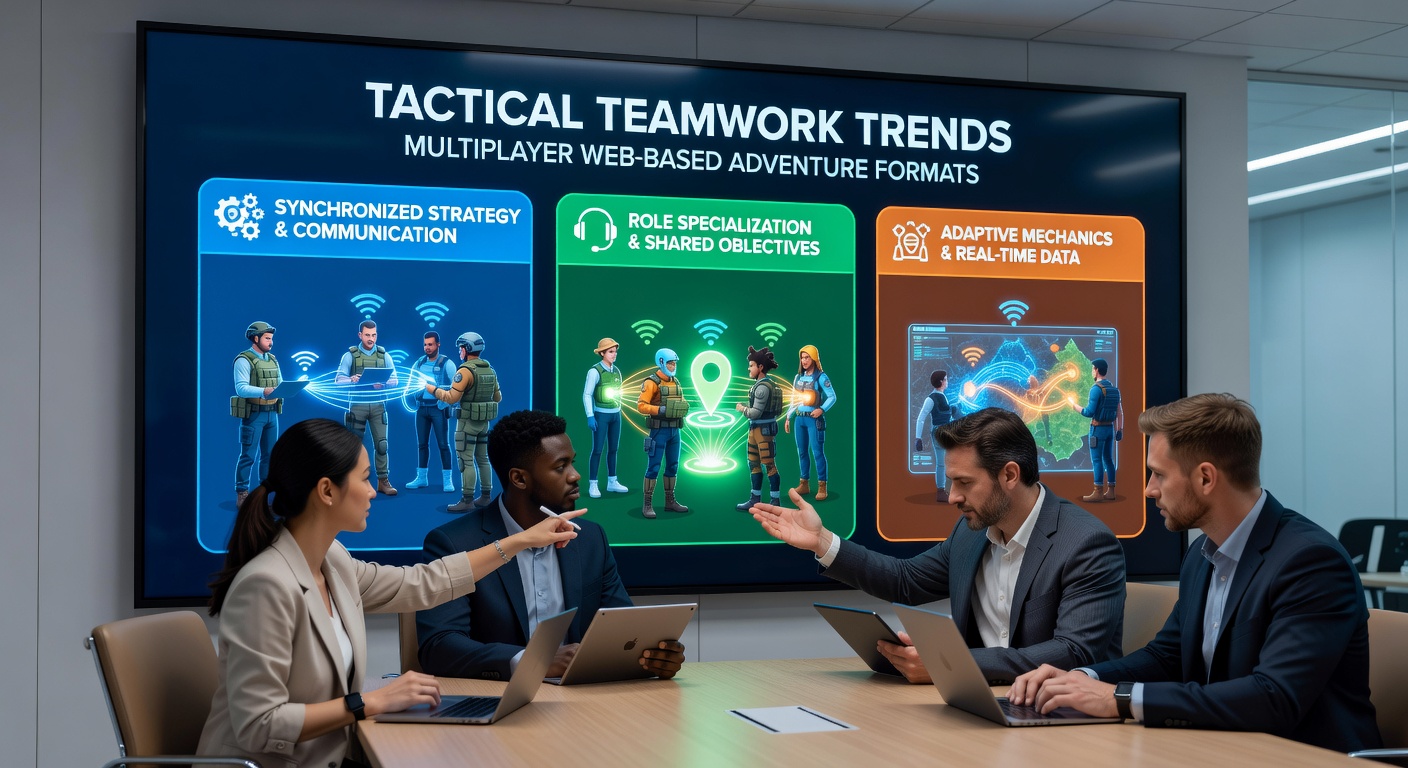
Designers embed tools that support synchronized decision-making, such as shared map annotations and voice-integrated chat overlays that appear directly in the browser window. Data from platform analytics in early 2026 shows teams using these features achieve objective completion rates up to 35 percent higher than solo attempts in comparable scenarios. Observers note that role assignment happens fluidly through in-game prompts rather than external lobbies, which reduces setup time and keeps momentum during extended play periods.
Research indicates that simultaneous action layering, where one player handles navigation while others manage defensive positioning or item deployment, appears frequently in titles released after 2024. This structure draws from established adventure frameworks yet adapts them for shorter browser sessions that average 15 to 40 minutes. Participants who study session logs discover patterns where early communication about terrain hazards leads to fewer restarts and more efficient pathfinding across procedurally influenced maps.
Role Specialization and Resource Allocation Patterns
Team compositions often settle into flexible specializations that emerge mid-session rather than through pre-selected classes. One member might focus on reconnaissance through elevated vantage points while another tracks inventory depletion rates and signals replenishment opportunities. Studies conducted by the Entertainment Software Association reveal that browser adventure titles incorporating visible resource timers encourage more balanced distribution of tasks, resulting in sustained engagement across larger groups of four to eight players.
What's interesting is how these systems reward adaptive reassignment when initial plans encounter unexpected obstacles, such as sudden environmental shifts or opponent interference. Teams that adjust roles within the first few minutes maintain higher survival metrics according to aggregated telemetry released in May 2026 reports. The reality is that browser constraints on processing power push developers toward lightweight visual cues rather than complex simulations, yet these cues still convey sufficient information for precise tactical adjustments.
Communication Layers and Information Sharing
Effective teamwork hinges on selective information sharing that avoids overwhelming participants with constant updates. Many formats now feature contextual pings that highlight specific map coordinates or item locations visible only to teammates within a defined radius. According to findings from the European Games Developer Federation, such targeted signals reduce miscommunication incidents by nearly half compared to open chat systems alone.
Players often discover that combining visual markers with brief verbal confirmations creates reliable feedback loops during time-sensitive segments. Those who've examined archived replays observe that successful squads establish shorthand terminology early, allowing faster responses when new variables appear. Browser implementations keep these tools lightweight so latency remains minimal even on standard connections, preserving the flow of adventure progression.
Integration of Tactical Elements with Adventure Progression
Adventure formats blend exploration sequences with tactical checkpoints where groups must allocate limited actions across multiple fronts. One example appears in titles that require simultaneous lock disarming and perimeter defense, forcing distributed attention rather than centralized control. Evidence from university-led gameplay studies suggests this hybrid approach increases retention when sessions conclude with measurable team performance summaries.
Platform operators report steady growth in recurring team formations tracked through anonymous identifiers, indicating that tactical success fosters repeat pairings. As browser capabilities expand with improved WebGL support, designers introduce subtler strategy layers such as terrain manipulation that rewards collective planning over individual reflexes. The ball remains in developers' court to balance accessibility with depth so new participants can join established groups without extensive onboarding.
Conclusion
Tactical teamwork in multiplayer web-based adventure formats continues evolving through refined coordination tools, adaptive roles, and integrated communication systems that align with browser delivery models. Data collected through May 2026 demonstrates measurable impacts on session outcomes and player retention when these elements receive consistent design attention. Future iterations will likely refine these patterns further as technology and player expectations advance in tandem.